
Burrowing Animals in Your Yard: Why Dish Soap Is Not a Guaranteed Fix
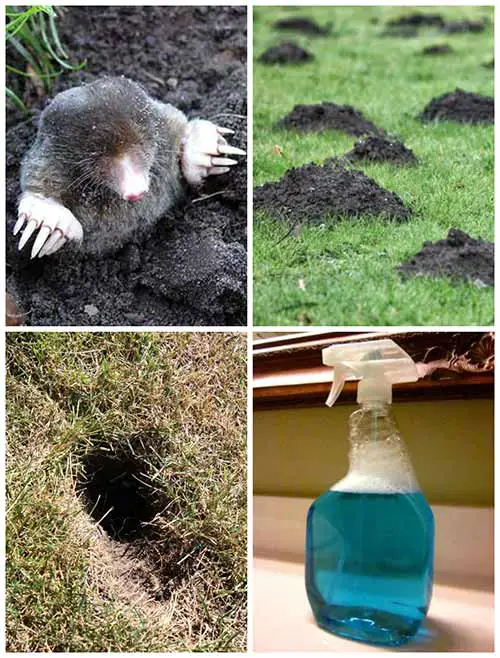
Uneven ground and fresh mounds can make a yard frustrating to use. Before treating it, identify the animal responsible: moles, voles, pocket gophers and groundhogs need different management.
Safety correction: An earlier version promised that a homemade Dawn dish soap and castor oil drench would remove any burrowing animal and leave the yard freely usable by children and pets. Those guarantees were unsupported. We have removed the recipe and blanket safety claim.
Keep children and pets away from unstable holes, wildlife, traps and treatment areas. Do not let pets investigate burrows or handle a wild animal yourself.
A few mounds do not automatically require treatment. Assess the actual damage before choosing a response.
Dish detergent is not a proven universal wildlife repellent. A household mixture is not interchangeable with a formulated repellent carrying directions for a specific use.
We do not recommend buying ingredients or a hose sprayer for the old recipe. The original instructions did not establish a safe, effective application rate.
What mole activity can tell you
Moles are small burrowing mammals, not rodents. Their digging can lift turf and disturb roots.
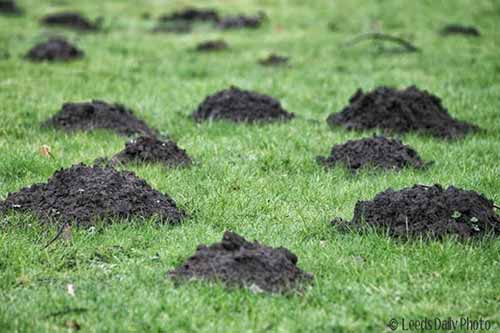
Look for raised surface tunnels and mounds of excavated soil. These are clues, not a complete identification.
Moles mainly eat earthworms and other invertebrates. Chewed bulbs or roots often point to a different animal.
Do not assume a leak or damaged pipe was caused by a mole. Have the irrigation problem inspected separately.
For holes beside a foundation or signs of structural movement, seek a qualified inspection rather than pouring a mixture into the ground.
Moles also mix and aerate soil. If the disturbance is minor, tolerating their activity may be reasonable.
Do You Have A Burrowing Animal Issue?
Photograph the mounds, openings and plant damage from a safe distance. A local extension service or wildlife professional can help identify the cause.
Raised turf ridges can indicate mole tunnels, while larger open burrows may have a different occupant. Do not apply mole advice to every hole in the yard.
Mole mounds are often roughly circular; pocket-gopher mounds are commonly crescent-shaped. Confirm the identification before choosing equipment or a product.
Record whether plants are being chewed or simply pushed up. These signs can help distinguish feeding damage from tunneling.
Fresh soil and newly raised runs are more useful clues than trying to hear animals underground. Keep clear of an opening while observing.
Moles are active year-round; do not assume they are active only at night. Avoid reaching into tunnels or trying to catch one by hand.
Does castor oil repel moles?
Evidence is mixed and species-specific. Iowa State University Extension says early encouraging castor-oil results were not consistent in later testing.
UC IPM reports some effectiveness for commercial castor-oil repellents against eastern moles, but says published research on western U.S. mole species is lacking. Repellents may just shift activity to another yard. These findings do not validate a homemade dish-soap recipe or control of other burrowing animals.
Choose a species-specific response
For confirmed moles, UC IPM identifies trapping as the most dependable control method. Traps can injure people and pets: use only legal equipment, follow the manufacturer’s instructions, prevent access by children and non-target animals, and use a qualified professional if you cannot place and manage them safely. Check local wildlife and trapping rules first.
Barriers may protect a small planting, but installation and design depend on the animal and site. Ask for local advice before digging. Do not flood tunnels or pour household chemicals into burrows.
Do not apply grub insecticide just because you see mole activity. Iowa State notes that grubs are not their main food and killing grubs does not solve a mole problem. Treat a confirmed lawn pest only when treatment is warranted.
Protect children, pets and the garden
We cannot establish a safe re-entry time or safe dose for the removed homemade mixture. “Natural” ingredients and familiar household brands do not guarantee safety on a lawn. Do not drench the yard with dish detergent or castor oil on the assumption that more is better.
If you choose a commercial repellent, use one labeled for the animal and site, follow its application and re-entry directions, and keep children and pets away as instructed. Store products securely and keep them away from pet food, water and toys. If exposure causes concern, contact a veterinarian for a pet or poison control for a person.
The photos and social posts illustrate wildlife and yard activity; they are not evidence that the former recipe works. No method here guarantees permanent removal of every burrowing animal.
More interesting articles you may be interested in reading:

Potato Grow Bags: The Key to a Convenient, Pest-free, and Bountiful Harvest
Fluffy Miniature Cows Are SO CUTE and They Make GREAT PETS.
20 Ways to Deter Rabbits from Eating Your Garden
How To Get Rid Of Wasps With Just A Brown Paper Bag
Burrowing Animals in Your Yard: Why Dish Soap Is Not a Guaranteed Fix
Thanks for reading and be sure to share this info with your friends using the social share buttons below.
Talking about social stuff, consider liking our Facebook page to keep up to date with our articles. Check out our other articles for more mental scoops!


No Responses